

Foundations
How Photovoltaic Systems Work
Cells, panels, strings, inverters, and the meter. A session that gives you the vocabulary and the mental model before anything else is discussed.
Independent solar education, Bucharest
A structured training program that explains how photovoltaic systems actually work, what changes their output over time, and which questions are worth asking before you commit to an installer. We do not sell panels, inverters, or installation contracts.
Explore the Training ModulesWhat this program covers
Most people arrive at solar with a rough idea of what panels do, and very little sense of how to judge whether a proposal in front of them actually fits their roof. The program is built around both halves.
From sunlight hitting a silicon cell to the inverter converting current for your home, we walk through each stage in plain language, without skipping the parts that actually matter for performance.
Orientation, shading from a neighboring roofline, panel temperature on a hot July afternoon, dust and pollen buildup. Real-world performance rarely matches a brochure number exactly, and we explain why.
What a reasonable quote tends to include, which line items deserve a second look, and how system sizing should relate to your actual electricity use rather than to available roof space alone.
A working list of questions to bring to any installer conversation, covering warranty terms, monitoring access, maintenance expectations, and what happens if performance falls short of projections.
Inside the curriculum
The program runs as a sequence of focused sessions, each one addressing a specific part of the decision. You can follow the full sequence or attend the sessions most relevant to where you are in your own planning.
Cells, panels, strings, inverters, and the meter. A session that gives you the vocabulary and the mental model before anything else is discussed.
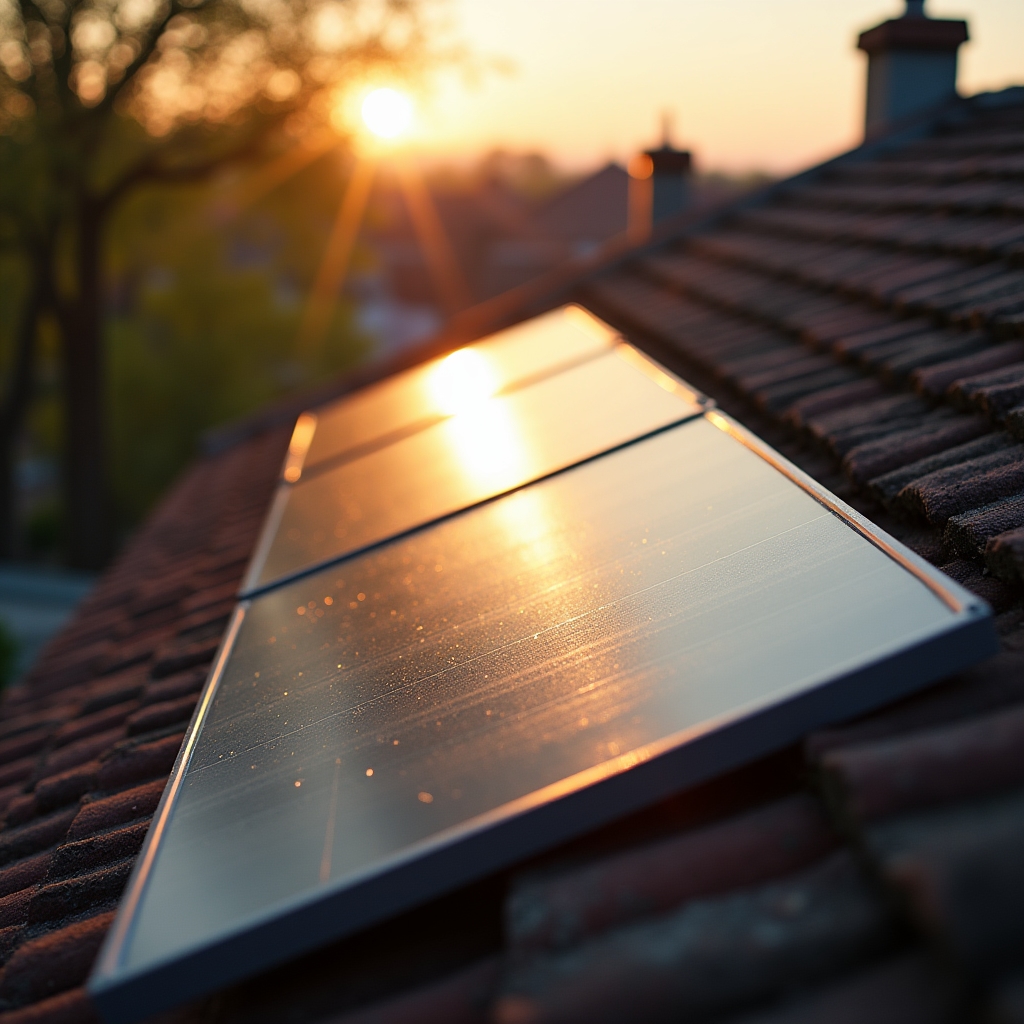
Shading, tilt angle, orientation, ambient temperature, and dirt accumulation. Why two identical systems on two different roofs rarely perform the same.

How to compare two proposals that look different on paper, and which questions tend to surface the gaps before a contract is signed.
Why independent education matters
Most of the information available about small-scale solar comes from people who benefit financially from a specific answer. That is not a criticism of installers, it is simply how the industry is structured. This program exists as a separate step: a place to build your own understanding before a sales conversation begins, so that the conversation happens on more even footing.
Sessions are taught by people with backgrounds in renewable energy education and building performance, not sales. Nothing covered in the program is tied to a specific brand, product, or installation partner.
Questions people bring to their first session
Orientation matters, but so does the shape of shading through the day and across seasons. We cover simple ways to estimate this before paying for a formal site assessment.
Sizing should start from your electricity consumption pattern, not from how much roof space happens to be available. We walk through the logic installers should be using.
Output does not disappear on overcast days, but it changes meaningfully. Understanding this in advance helps set realistic expectations for monthly generation.
Panel warranties, inverter warranties, and workmanship warranties are different things with different timeframes. Knowing the difference changes how you read a quote.
Different installers price differently and include different scopes. We cover a simple framework for lining proposals up side by side.
Whether you are still deciding if solar makes sense for your roof, or already holding a proposal you would like to understand better, there is a session built for that stage.
View Training Modules